.svg)

Play'n GO is one of the most recognisable names in online slots, an independent Swedish developer whose games are a fixture in casino lobbies across the globe. Founded in 1997 and headquartered in Vaxjo, the studio built its reputation on a single, simple promise: consistently high-quality, mobile-first slots delivered on a reliable schedule. Titles such as Book of Dead, Reactoonz and Rise of Olympus have become genuine category benchmarks, played by millions and endorsed by operators who value dependable performance over gimmicks.
What sets Play'n GO apart is its combination of scale and independence. Wholly owned by its founders, the studio answers to no larger group, which gives it the freedom to pursue a long-term creative vision and an unusually prolific output of around fifty new games a year. Every release is built in HTML5 for seamless play across desktop, tablet and mobile, and certified for a wide spread of regulated jurisdictions. Operators can add the full Play'n GO catalogue through SoftVault's single aggregation integration, with no separate technical build required.
Play'n GO is a privately owned game studio that designs, develops and distributes online slots for regulated casino operators worldwide. From its base in Vaxjo, Sweden, the company has grown from a small development team into one of the industry's most influential content suppliers, with a portfolio of more than three hundred titles and a presence in virtually every major regulated market. Its games are defined by polished art direction, tightly engineered mathematics and a consistency of quality that has made brands such as Book of Dead and Reactoonz household names among slot players.

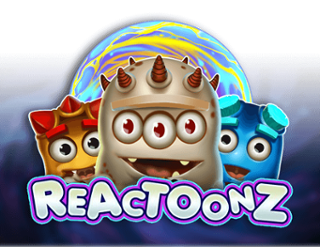
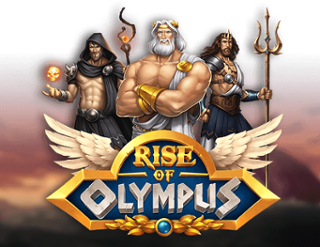
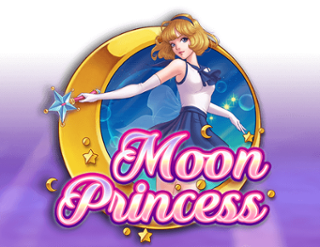
The studio occupies an unusual position in the supplier landscape. Rather than chasing every format or trend, Play'n GO has focused almost exclusively on doing one thing exceptionally well: building slots that perform. That discipline, combined with a relentless and predictable release schedule, has earned it a level of operator trust that few developers can match.
Play'n GO traces its origins to 1997, when its founders began developing gaming software and supplying technology to other companies in the sector. For its early years the team worked largely behind the scenes as a business-to-business developer, honing the mathematics, engines and tools that would later underpin its own branded content. In the mid-2000s the company repositioned itself as a dedicated games studio releasing slots under its own name, and it has pursued that path with single-minded focus ever since.
Crucially, Play'n GO has remained independent and founder-owned throughout a period in which many of its peers were acquired by larger platform groups. That independence is central to its identity. Free from the pressures of a parent company's quarterly targets or cross-selling priorities, the studio can invest in long-running franchises, protect its creative standards and set its own commercial terms. For operators, the practical benefit is a supplier whose priorities are stable and whose catalogue is not caught up in the disruption that often follows industry consolidation.
Play'n GO's reputation rests on a handful of titles that have become reference points for the entire slots category. Book of Dead, an Egyptian-themed expanding-symbol slot released in 2016, is the studio's defining hit and remains one of the most played online slots in the world. Its enduring popularity has effectively created a sub-genre of its own, and it anchors a broader Rich Wilde adventure series.
Beyond Book of Dead, the portfolio spans a wide range of themes and mechanics, including several recurring franchises and cluster-pays innovations:
This mix allows operators to serve very different player tastes from a single supplier: high-volatility adventure slots for engaged players, accessible classic formats for casual audiences, and quirky grid games that stand apart from conventional reel layouts.
The most talked-about feature of Play'n GO's approach is its release cadence. The studio is known for a roughly one-game-a-week strategy, delivering on the order of fifty new titles every year. This is not volume for its own sake. A steady, predictable pipeline keeps operator lobbies fresh, gives marketing teams a reliable calendar of new content to promote, and lets the studio experiment with mechanics and themes at pace while maintaining consistent production values.
Underpinning that cadence is a mature technical foundation. Every Play'n GO game is built in HTML5 and designed mobile-first, so titles render and play identically across smartphones, tablets and desktop without separate versions. The games share a common, well-documented integration layer, which means adding one title is technically no different from adding the whole catalogue. The studio also invests heavily in its own promotional and engagement tools, including tournament and free-round mechanics that operators can use to drive activity around new releases.
Creatively, the house style is instantly recognisable: bold, characterful artwork, strong audio, and mathematics tuned for the sustained engagement that keeps players returning. Rather than relying on ever-larger maximum wins alone, Play'n GO games tend to balance volatility, feature frequency and presentation so that a title feels rewarding to play as well as to win on.
Over the past two decades Play'n GO has collected a long list of industry accolades, including repeated recognition as a leading slot and mobile supplier at major awards ceremonies. The launch and continued dominance of Book of Dead stands as a commercial landmark, as does the studio's steady expansion into newly regulated markets across Europe, Latin America and North America.
Equally significant is the operational milestone represented by the release schedule itself. Sustaining roughly one high-quality game a week, year after year, while entering new jurisdictions and maintaining certification across dozens of regulators, is a considerable feat of production discipline. It is this combination of creative reputation, commercial reliability and independent stability that keeps Play'n GO among the first studios operators look to when building a slots offering.
Play'n GO is a portfolio staple for a reason: it combines player recognition, commercial dependability and broad regulatory coverage in a way that few suppliers manage. For operators building or refreshing a slots line-up, the studio offers a rare balance of proven performers and a constant stream of new content. The points below set out the practical reasons operators choose to carry it.

Adding Play'n GO through SoftVault removes the usual friction of onboarding a major studio. Rather than negotiating and building a direct connection, operators access the full Play'n GO catalogue through SoftVault's single aggregation layer. That means one technical integration, one commercial relationship and one point of support covering Play'n GO alongside every other studio on the platform. There is no separate contract to sign with the studio and no additional certification project to manage on your side.
Once enabled, Play'n GO's games appear directly in your SoftVault back office, ready to switch on. You can browse the available titles, activate the ones that suit your markets and player base, and configure them using the same tools you already use for the rest of your content. Because every game shares a common integration, turning on a single title or the entire portfolio involves the same simple action. New Play'n GO releases, which arrive at the studio's characteristic weekly cadence, are added to your catalogue automatically as they become available, so your lobby stays current without any engineering work or manual imports.
Commercially, everything runs through your normal SoftVault arrangement. Revenue share for Play'n GO content is billed through your standard SoftVault GGR statement, consolidated with all your other suppliers, so there are no separate invoices to reconcile. Reporting for Play'n GO games sits in the same dashboards as the rest of your catalogue, giving you a single, consistent view of performance. For operators launching with SoftVault, Play'n GO is included within the standard fourteen-day launch, so you can go live with proven, high-recognition slots from day one and expand your selection whenever you choose.
Play'n GO is an independent, founder-owned game studio based in Vaxjo, Sweden. Established in 1997, it develops premium online slots for regulated casino operators and is best known for globally recognised titles such as Book of Dead, Reactoonz and Rise of Olympus.
The studio specialises in video slots, spanning adventure themes, mythology, cluster-pays grid games and modern takes on classic fruit machines. Its catalogue of more than three hundred titles covers a wide range of volatilities and mechanics, so operators can serve both engaged and casual slot players from a single supplier.
Book of Dead is the studio's defining hit and one of the most played online slots in the world. Other flagship titles include Reactoonz, Rise of Olympus, Moon Princess and Fire Joker, alongside popular releases such as Legacy of Dead, Gemix and Sweet Alchemy.
Play'n GO is known for a roughly one-game-a-week strategy, producing around fifty new titles a year. This steady, predictable cadence keeps operator lobbies fresh and gives marketing teams a reliable calendar of new content, while the studio maintains consistent quality across every release.
Play'n GO games are certified across a broad spread of regulated jurisdictions, including Malta (MGA), the United Kingdom (UKGC) and Sweden (Spelinspektionen), among many others. This wide coverage makes it straightforward to deploy the same trusted content across multi-market operations.
Operators access the complete Play'n GO catalogue through SoftVault's single aggregation integration, with no separate studio contract required. Games appear in your back office ready to enable, new releases are added automatically, and revenue share is billed through your standard SoftVault GGR statement. Play'n GO is included within the standard fourteen-day launch.