.svg)

Realtime Gaming, known throughout the industry as RTG, is one of the oldest and most recognisable names in online casino software. Established in the late 1990s, it built its reputation supplying slots, table games and progressive jackpots to operators serving the United States and other markets where many European providers do not go. Its catalogue of 300-plus titles is a fixture of the international online-casino landscape.
Through SoftVault, RTG's content is available under a single aggregation integration. There is no separate studio contract, no bespoke technical build and no additional wallet to reconcile. The catalogue is included in SoftVault's standard 14-day launch, is crypto-ready out of the box, and settles on one consolidated GGR statement alongside every other provider you run.
Realtime Gaming occupies a distinctive niche in the online casino world. While much of the modern conversation about slots revolves around European studios chasing the newest mechanic, RTG has spent more than a quarter of a century doing something quieter and, in commercial terms, unusually durable: supplying dependable slot and casino content to operators serving the United States and other markets that most European providers deliberately avoid. Established in the late 1990s, originally in Atlanta before relocating internationally, RTG became one of the foundational software names of the online-gambling era, and its games remain deeply familiar to a large audience of players, particularly across North America.

That longevity is the heart of the RTG story. A catalogue of more than 300 titles built up over 25-plus years carries a weight of familiarity that newer studios cannot manufacture. Players who have been gambling online for years recognise RTG's progressive jackpots, its house style and its best-known games, and that recognition converts into trust and repeat play. For operators serving US-facing and crypto audiences, RTG offers a bridge to that established player base, and through SoftVault the catalogue is available with none of the integration overhead that would normally accompany a studio of its heritage. In an industry that often prizes the newest release above all else, it is easy to underrate the commercial power of decades of accumulated familiarity, but for the specific audiences RTG serves, that familiarity is precisely what drives them to choose one platform over another. Understanding where RTG came from, what it does well and which lobbies it belongs in is the key to deploying it effectively.
RTG's strategic decision to serve the United States and other restricted markets shaped everything about the company. When many European suppliers withdrew from or never entered the US-facing grey and offshore markets for regulatory reasons, RTG stayed and built its business there. That choice made it one of the default content providers for a huge swathe of offshore and US-facing online casinos, typically operating under Curacao and similar frameworks, and it gave the studio an audience that most of its European contemporaries simply never reached. In effect, RTG built a durable position in a part of the market that its more prestigious rivals ceded, and that position has proved remarkably resilient.
Over the years RTG changed ownership and relocated its operations, but the core identity persisted: a reliable, high-volume supplier of slots and casino content for markets defined by their accessibility to American and other restricted-market players. This positioning is unglamorous by the standards of the ICE show floor, but it is commercially significant. The US-facing and crypto-casino segments are enormous, and a studio with deep roots, name recognition and a large catalogue in exactly those channels holds a valuable position that is very difficult for a newcomer to replicate. You cannot manufacture 25 years of player familiarity, and RTG has it in the markets where it matters most.
The studio's endurance also speaks to the quality of the relationships it built with operators. Supplying content dependably to a large number of casinos over decades requires more than good games; it requires reliable delivery, stable performance and a catalogue that keeps players coming back. RTG's continued prominence in its chosen markets is evidence that it delivered on those fronts consistently enough to remain a default choice long after many of its early contemporaries faded.
It is worth being candid about the trade-offs of that heritage. RTG's reputation is built on accessibility and familiarity rather than on cutting-edge production values or the prestige associated with the most tightly regulated European brands. Its content is typically licensed by operators under Curacao-style frameworks rather than the strictest jurisdictions. For the operators RTG serves, that is precisely the point: they need proven, recognisable, US-facing content, and RTG has supplied it dependably for decades. Judging RTG by the standards of a boutique European art-house studio would miss what makes it valuable, which is reach, recognition and reliability in markets that other suppliers avoid.
RTG's house style is rooted in the American slot tradition, and its catalogue has a distinctive, instantly recognisable feel. The games favour classic themes, familiar bonus structures and, above all, progressive jackpots, which have long been a signature of the studio. The emphasis on progressives is not incidental; it reflects a deep understanding of what the American slot player, in particular, responds to, which is the dream of a single life-changing win. Common elements across the portfolio include:
The design philosophy prioritises familiarity and the dream of a big jackpot over mechanical novelty. RTG slots are comfortable and legible for the player who has been enjoying them for years, and the emphasis on progressives gives the catalogue a top-end excitement that keeps players engaged. There is a reason the studio has leaned so heavily on jackpots throughout its history: they provide a compelling narrative hook that transcends any individual theme, and they give even a classic, straightforward slot a genuine sense of possibility on every spin.
Modern RTG content is built in HTML5 and is mobile-compatible, so the classic library plays across phones and desktops without friction. This matters because the studio's audience has followed the same migration to mobile as the rest of the market, and content that could not make that transition would have faded. By bringing its recognisable titles and jackpots onto modern, cross-device technology, RTG has kept its heritage catalogue relevant to the way players actually play today, preserving the familiarity that is its greatest asset while meeting contemporary technical expectations.
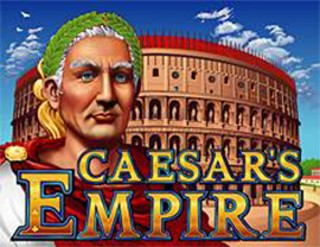
RTG's most iconic title is arguably Aztec's Millions, a progressive-jackpot slot whose network jackpot has long been one of the studio's headline attractions. It embodies what RTG does best: a familiar theme, an accessible base game and the lottery-like dream of a life-changing progressive prize. For many players, Aztec's Millions is synonymous with the RTG experience, and its long-running progressive has been a genuine draw across the studio's network for years. Caesar's Empire is another cornerstone, a Roman-themed slot that has been a fixture of RTG-powered casinos for years and remains one of the studio's most recognisable games, its enduring popularity a testament to the appeal of a well-executed classic theme.
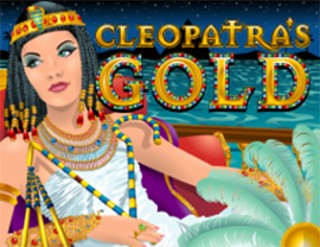
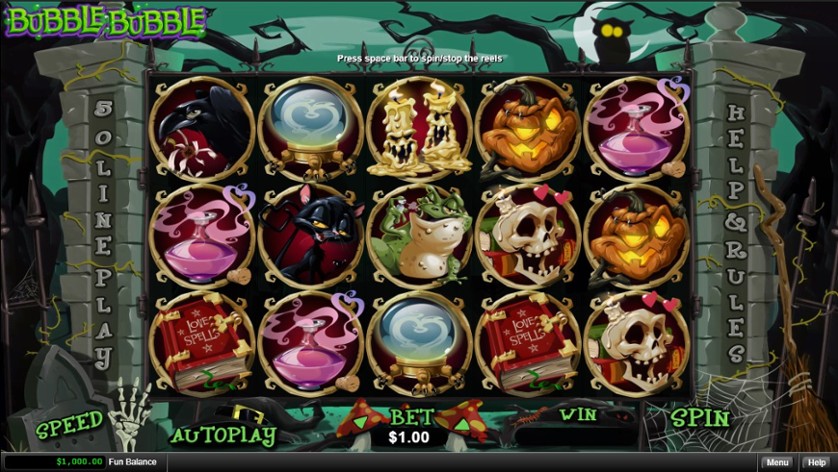
Cleopatra's Gold works the perennially popular Egyptian vein with the studio's signature progressive and free-spin features, tapping into one of the most durable themes in all of slots and pairing it with the jackpot upside that defines RTG's output. Bubble Bubble, a witch-themed series that spawned multiple sequels, showcases RTG's knack for building franchises around a strong character and feature set; its follow-ups are among the most-played games on many RTG-powered platforms, and the series demonstrates that the studio can create recurring, recognisable brands as well as standalone hits. Cash Bandits, a heist-themed slot with a distinctive vault-cracking bonus round, is another modern favourite and one of the titles most associated with the studio's more recent output, proving that RTG can produce fresh, engaging content alongside its long-running classics.
Across all of them, the common thread is a blend of familiar themes, dependable feature structures and the ever-present possibility of a large jackpot. That formula has kept these titles in play for years, and their staying power is exactly what makes them valuable to operators: they are not fleeting hits but established favourites that a large audience of players actively seeks out. For an operator serving RTG's core markets, having these recognisable names in the lobby is part of meeting player expectations rather than an optional extra.
RTG's core strength is its entrenched position in US-facing and other restricted markets. For operators targeting American players or the wider offshore audience, RTG is close to a default choice: its games are recognised, trusted and expected by that player base, and a lobby serving those players often looks incomplete without RTG content. That entrenched familiarity is difficult for newer studios to replicate, and it is the single most important reason to carry the catalogue. In markets where trust is hard to build and easy to lose, a supplier whose games players already know and trust is a genuine competitive asset.
The studio also fits the crypto-casino landscape naturally. Many crypto casinos serve exactly the US-facing and international offshore audiences that RTG has spent decades supplying, and there is heavy overlap between the players who seek out crypto gambling and those who already know and trust RTG's games. A catalogue of familiar, progressive-jackpot-driven slots is well suited to that market, and delivering it in a crypto-ready form aligns the content with how a large part of its natural audience now prefers to play. The rise of crypto casinos has, if anything, expanded the relevance of RTG's catalogue, because it has given a new generation of operators serving RTG's traditional audience a fresh reason to carry its content.
This alignment between RTG's heritage and the crypto market is worth emphasising. The studio spent decades serving players who valued access above all else, players who chose offshore and US-facing operators precisely because they were available when regulated alternatives were not. The crypto-casino audience shares much of that sensibility, prioritising access, privacy and the freedom to play across borders. RTG's familiar, jackpot-driven catalogue slots neatly into that world, offering crypto operators recognisable content that their players already trust.
As with any studio, it pays to be measured about what RTG is and is not. It is not a source of avant-garde mechanics or the highest-gloss production; it is a source of proven, recognisable, US-facing slot and jackpot content with unmatched longevity in its chosen markets. For operators whose audience skews towards American, offshore and crypto players, that is exactly the profile that performs, and few studios can match RTG's depth of history in those channels. The right way to evaluate RTG is not against the newest European release but against the question of whether your players will recognise and trust the content, and for a large audience the answer is unambiguously yes.
For an operator deciding how to build a lobby aimed at US-facing, offshore or crypto players, RTG occupies a specific and important role. It is not there to provide the newest mechanic or the most visually spectacular release; it is there to supply the familiar, trusted, jackpot-driven content that this particular audience expects to see. In markets where players have been enjoying RTG games for years, their absence would be conspicuous, and their presence signals that the operator understands the audience it is serving. That signalling value is easy to underestimate and hard to replicate with unfamiliar content, however polished.
The most natural way to deploy RTG is as a recognisable core within a lobby that also carries newer and more varied content. The RTG catalogue supplies the classics and the headline progressives that anchor the slots section for its target audience, while other suppliers layer modern slots, live-casino tables and instant games on top. In that configuration RTG does what it does best, providing depth, familiarity and jackpot appeal, without being asked to compete on the terms where newer studios excel. The result is a lobby that feels both familiar and fresh, which is exactly the balance that retains a broad audience.
The progressive jackpots deserve particular emphasis as a merchandising asset. A prominently displayed, steadily climbing progressive is one of the most effective hooks in a casino lobby, because it offers a clear, tangible reason to play and a narrative that any player understands instantly. RTG's long-running network progressives, headlined by titles like Aztec's Millions, give an operator exactly that kind of hook, and because they are established and recognisable, they carry an additional layer of credibility. Featuring an RTG progressive is a proven way to draw attention to the slots section and to give jackpot-seeking players a reason to choose your platform.
There is also a practical argument about audience coverage. The US-facing, offshore and crypto segments together represent an enormous pool of players, and they have their own preferences, their own trusted brands and their own expectations, which differ from those of players in tightly regulated European markets. An operator serving these segments needs content built for them, and RTG is one of the few studios with the heritage and recognition to serve them convincingly. Neglecting that content in favour of a purely European-style lobby would mean offering these players an experience that does not match their expectations, which is a straightforward way to lose them to competitors who get it right.
Finally, RTG's strong overlap with the crypto-casino audience makes it especially relevant to the kind of modern, digital-asset-accepting operator that is reshaping the market. The same players who value the access and freedom of crypto gambling often value the familiar, jackpot-driven content that RTG has supplied for decades, and offering that content in a crypto-ready form aligns the lobby with how this audience prefers to play. Delivered through SoftVault, RTG slots into that modern, crypto-facing platform as easily as any other set of games, which means an operator can offer decades of trusted, recognisable content to exactly the audience most likely to seek it out, with none of the friction a direct studio relationship would involve. In the lobbies where it belongs, RTG is not a legacy afterthought but a core part of meeting the audience on its own terms.
SoftVault turns RTG's heritage catalogue into a simple, single-connection addition to your platform. The content is crypto-ready out of the box, so operators running Bitcoin, stablecoin or other digital-asset wallets can offer RTG's slots and progressives to their players with no additional payments engineering, which is especially valuable given how strongly RTG's natural audience overlaps with the crypto-casino market. The same catalogue serves fiat and crypto players from a single deployment, so an operator does not have to choose which audience to prioritise; it can serve both with one set of games.
Because everything comes through SoftVault's single aggregation integration, adding RTG means no direct contract, no separate technical build and no independent reconciliation. The catalogue is included in the standard 14-day launch, and its gross gaming revenue appears on the same consolidated GGR statement as every other provider you run. That single-statement reporting removes an entire layer of operational overhead, from separate invoicing to distinct reconciliation, that a direct relationship with a studio of RTG's scale would otherwise create.
For an operator building a US-facing or crypto-focused lobby who wants the familiar RTG progressives and classics that a large, established player base already knows and trusts, delivery through SoftVault is the most efficient route available. You gain decades of recognisable content, headline progressive jackpots and a catalogue that maps precisely onto the expectations of American, offshore and crypto players, all delivered on the same terms, the same timeline and the same statement as everything else you run, live within the same fortnight as the rest of your platform, on one connection. For the markets RTG serves, that combination of familiarity and frictionless delivery is hard to beat.
Ultimately, RTG and SoftVault suit each other because they solve complementary parts of the same problem. RTG supplies something that cannot be built quickly or cheaply: 25-plus years of recognition and trust among the US-facing, offshore and crypto players who form one of the largest audiences in online gambling. SoftVault supplies the means to put that content in front of those players without the contractual and technical overhead that a studio of RTG's heritage would normally carry. An operator serving these markets needs the recognition RTG provides and the efficiency SoftVault provides, and getting both from a single connection is what makes the pairing so practical. You gain a deep, familiar, jackpot-driven catalogue tuned to exactly the audience you are trying to reach, delivered crypto-ready, live within the standard 14-day launch, and reconciled on the same consolidated statement as every other provider you run. For a platform built for these markets, that is a foundation worth having. In segments where trust is the scarcest resource and switching costs are low, a catalogue that players already recognise and instinctively trust is one of the most durable competitive advantages an operator can hold, and RTG through SoftVault puts that advantage within reach without the overhead that would normally come attached to it.
RTG gives your platform 25-plus years of familiar, US-facing slot and jackpot content that an established player base already trusts, delivered through one SoftVault connection:

Adding Realtime Gaming through SoftVault requires only your existing SoftVault connection. Because the RTG catalogue sits inside SoftVault's aggregation layer, there is no direct contract with the studio, no bespoke technical integration and no separate onboarding project. One API, one integration footprint and one set of credentials cover RTG alongside every other studio SoftVault carries.
Enabling the content works exactly as it does for any SoftVault provider. You choose the slots, progressives and casino titles you want from the back office, configure availability by market and currency, and publish them to your lobby. The games are HTML5 and mobile-compatible, rendering across phones and desktops, and they inherit SoftVault's crypto-ready wallet support, so digital-asset and fiat players receive the same experience with no additional engineering, an important advantage given how closely RTG's audience overlaps with the crypto-casino market.
Financially, RTG folds into the reporting you already run. Its gross gaming revenue appears on the consolidated GGR statement covering all your SoftVault providers, removing the reconciliation overhead of a standalone studio deal. In practice, a deep, familiar, US-facing catalogue becomes available within the standard 14-day launch, with none of the separate commercial or technical work a direct integration would require.
Realtime Gaming, or RTG, is one of the oldest online casino software developers, established in the late 1990s. It is known for supplying slots, table games, video poker and progressive jackpots to operators serving the United States and other markets that many European providers avoid.
RTG is best known for its progressive-jackpot slots and its long-standing presence in US-facing and offshore markets. Its most iconic titles include Aztec's Millions, Caesar's Empire, Cleopatra's Gold, Bubble Bubble and Cash Bandits.
RTG is particularly strong for operators targeting US-facing, offshore and crypto audiences, where its games are familiar and trusted. It has served these restricted markets for over 25 years, giving it a level of recognition newer studios cannot easily match.
Yes. The RTG catalogue is available through SoftVault's single aggregation integration, with no separate contract or bespoke technical build, and it is included in SoftVault's standard 14-day launch.
It is. The catalogue inherits SoftVault's crypto-ready wallet support, so operators running Bitcoin, stablecoin or other digital-asset payments can offer RTG games to those players with no additional integration work, which suits RTG's strong overlap with the crypto-casino audience.
All RTG gross gaming revenue appears on the same consolidated GGR statement as every other provider you run through SoftVault, so there is no separate reconciliation, wallet or reporting silo to manage.